
Why I Almost Didn't Press Record
For well over a year, I drafted and deleted solo audio files, stuck in a deep paralysis about credentials. The microphone captured nothing but hesitation. The fear centered entirely on a perceived lack of authority.
How does a non-expert speak on canine behavior without misleading listeners? Group feedback indicates that guardians crave actionable solutions, yet delivering those solutions requires clinical expertise.
A change became necessary.
Instead of positioning the platform as an instructional resource, I shifted the focus entirely toward shared vulnerability. This structural change revealed a fundamental truth about the human-canine dynamic. Vulnerability, rather than rigid authority, establishes the trust required to navigate life with a reactive dog. This reflection examines the thematic shifts I noticed after recording numerous episodes, looking at the psychological weight of dog guardianship rather than offering a step-by-step training manual. The objective remains documenting the emotional landscape of living with dogs.
Listening Is the Real Skill, Not Talking
The mechanics of audio production initially pushed me toward a fast-paced editorial approach. I quickly learned that cutting out dead air to make a conversation sound punchier actively works against emotional resonance. Working through this required a deliberate shift in how I edited.
I changed my editing style, leaving the four-to-six-second pauses intact during the final audio mix.
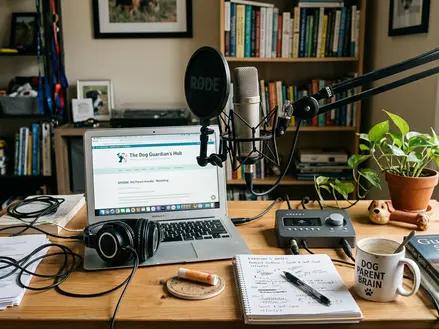
Silence provides the necessary cognitive space for guests to process their experiences. Guardians open up when they feel heard rather than immediately corrected. This active listening on-air directly mirrors the patience required when handling reactive dogs. A handler must observe and wait, allowing the animal to process environmental triggers without rushing the interaction.
Pro Tip: When your dog reacts to a trigger, apply the same conversational pause. Wait four seconds before issuing a redirect cue to allow their nervous system to process the environment.
The best approach to both podcasting and dog handling relies on holding space rather than filling it. Rushing a dog through a threshold produces the same anxiety as interrupting a guest mid-thought.
The Loneliness of Dog Parenthood Is Almost Universal
Recording sessions running roughly 45 to 65 minutes consistently show a clear priority among guests. The first half naturally devolves into emotional offloading. Guests bypass standard training questions to articulate feelings of profound isolation.
Reactivity, guilt, and handler burnout dominate the canine companionship experience far more than basic obedience challenges.
The level of emotional disclosure from a guest varies heavily depending on whether their dog is currently in a behavioral regression phase or a stable period. During a regression, the isolation feels acute. Guardians should seek out community support during these low points. Avoid retreating into silence when training setbacks occur.
What I kept hearing supports a universal truth: the emotional burden of dog parenthood requires as much attention as the physical training. Acknowledging this shared struggle reduces the stigma associated with difficult walks and missed milestones.
But Isn't a Podcast Just Talk Without Credentials?
A valid critique frequently surfaces regarding the proliferation of uncredentialed voices in the pet space. The failure case is clear: attempting to give actionable counter-conditioning advice on-air without being able to observe the dog's specific body language ensures poor outcomes.
To establish clear boundaries between peer empathy and professional instruction, I scripted a standardized intro. This short pre-roll disclaimer, about 15 seconds, explicitly defines my role as a fellow dog mom rather than a certified behaviorist. Peer support fills an emotional gap that clinical professionals often lack the time to address during standard consultations.
Warning: Never apply generalized audio advice to a dog displaying active aggression.
However, a critical distinction remains necessary.
Peer support podcasts cannot replace clinical intervention for dogs exhibiting bite-risk behaviors or severe generalized anxiety. While peer narratives offer emotional relief, they cannot account for the neurological complexities of severe canine anxiety. The real value of these conversations lies in emotional companionship, not diagnostic authority. Listeners must compartmentalize the media they consume.
The Lessons That Outlasted Every Episode
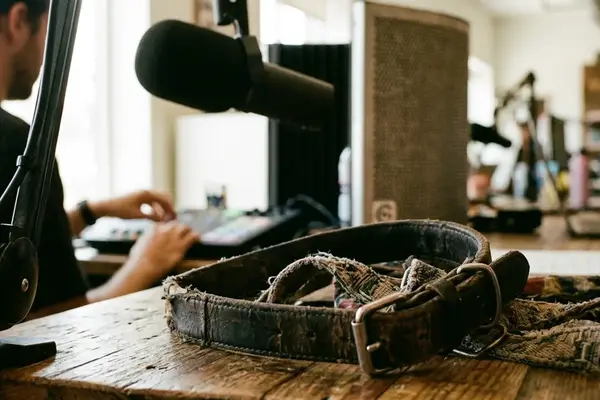
Polishing an audio track to perfection strips away its authenticity. I made a conscious editorial choice to stop filtering out the messiness of real life. Keeping the ambient background noises, like a dog shaking its collar, that crop up naturally during a 30-to-40-minute conversation mirrors the imperfect reality of living with animals.
The human-dog bond develops through the same mechanisms as the host-listener relationship. Both require showing up consistently, even when the interaction feels chaotic.
Key Takeaway: Consistency builds trust faster than perfection—both behind the microphone and at the end of the leash.
What I noticed is that listeners connect most deeply with unpolished, honest reflections. The practice of accepting ambient noise translates directly to accepting a dog's natural behaviors. Mindfulness practices, such as grounding exercises before a walk, became a frequent recommendation after hearing the same struggles repeated across dozens of interviews.
Embracing the messiness guarantees a stronger, more resilient connection. The microphone simply amplifies the work we already do every day.





Leave a Comment